
Agorastos, Agorastos, Thompson, Trevor and Solmi, Marco , (2025) Mental health, coping and related risk factors during the first 2 years of the COVID-19 pandemic in children: nationally representative, multi-wave, cross-sectional results from 12 countries from the global COH-FIT study. European Neuropsychopharmacology, 104, [112741]. (doi:10.1016/j.euroneuro.2025.112741).
Abstract
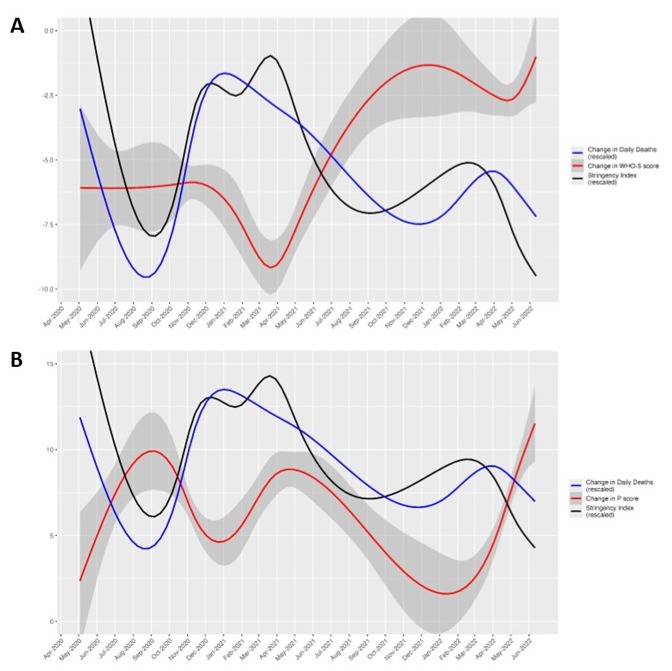
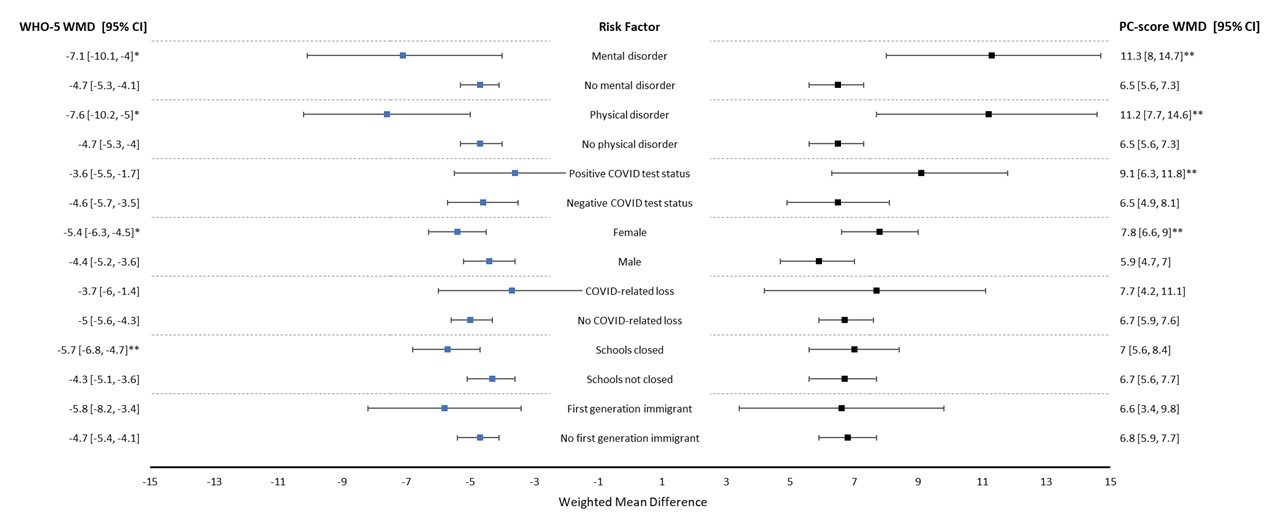
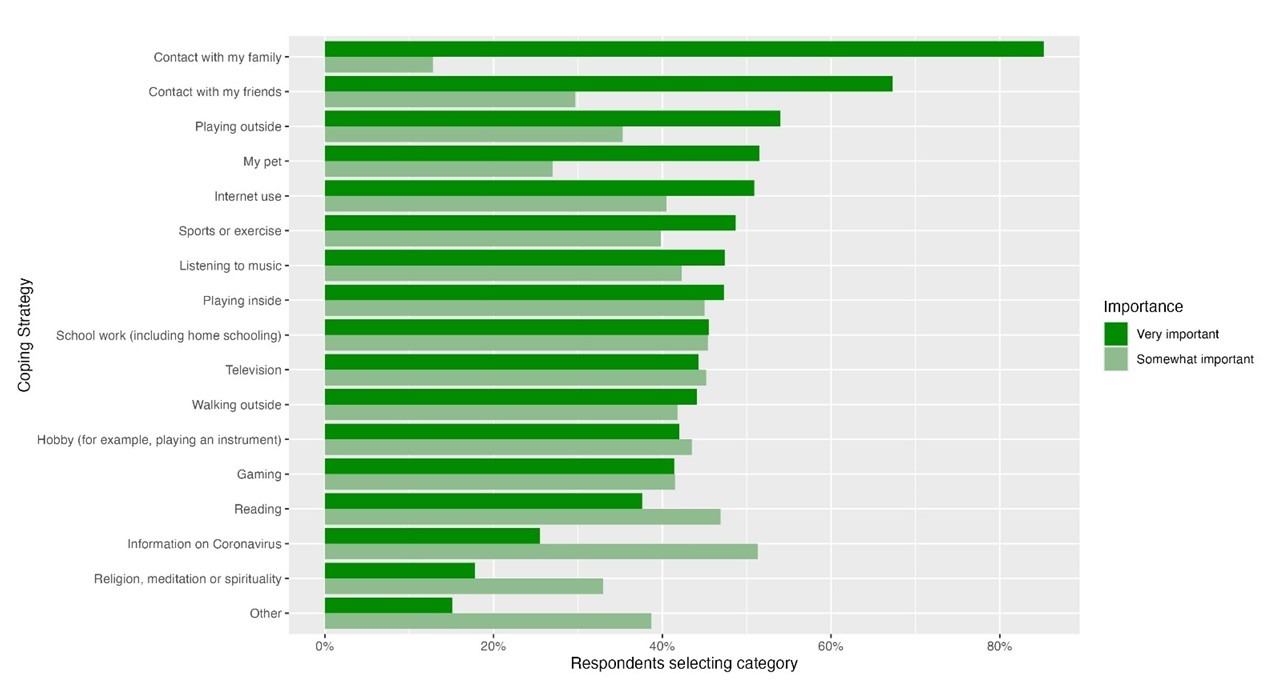
Few multinational studies have assessed risk factors and coping strategies associated with the impact of the COVID-19 pandemic on children’s mental health over time. The Collaborative Outcomes study on Health and Functioning during Infection Times (COH-FIT) is the largest transcontinental, multi-wave, cross-sectional survey collecting multi-nation data on well-being and psychopathology during the pandemic. We analyzed country-specific, general-population-based, representative COH-FIT data of 6,067 children aged 6–13 years from 12 countries across repeated cross-sectional waves over a period of >2 years (Apr/2020–May/2022), addressing through current and retrospective assessment pre- to intra-pandemic changes in well-being (WHO-5) and general psychopathology scores (Pc) (0-100) in relation to COVID-related deaths, stringency index, eight a priori risk factors, and 16 coping strategies in different responders at each wave. From pre- to intra-pandemic, WHO-5 scores decreased (−4.59, 95%CI=−6.18 to −2.99, p<.001), while PC-scores increased (+6.68, 95%CI=4.48–8.88, p<.001) significantly, following distinct time patterns but both returning to near pre-pandemic levels. Changes in both scores varied by country. WHO-5 scores correlated strongly with PC and subdomain scores. Both score changes were significantly but minimally associated to COVID-19 deaths/stringency index. The proportion of children screening positive for depression increased from 3.9% to 8.3% (χ²=145.70, p<.001) and for major depression from 0.6% to 2.2% (χ²=68.64, p<.001) intrapandemic. WHO-5 and PC-score changes were significantly associated with female gender, school closure, and pre-existing physical and mental conditions, with cumulative effects. The five most frequently endorsed coping strategies were family contact (85.2%), friends (67.3%), outdoor play (54.0%), pet interaction (51.5%), and internet use (50.9%). Identified risk groups and coping strategies can inform targeted interventions and global public health policy.
More information
Identifiers

Catalogue record
Export record
Altmetrics
Contributors
Download statistics
Downloads from ePrints over the past year. Other digital versions may also be available to download e.g. from the publisher's website.