The University of Southampton
University of Southampton Institutional Repository

HiFi long-read RNA sequencing enhances clinical diagnostics in rare disorders

HiFi long-read RNA sequencing enhances clinical diagnostics in rare disorders
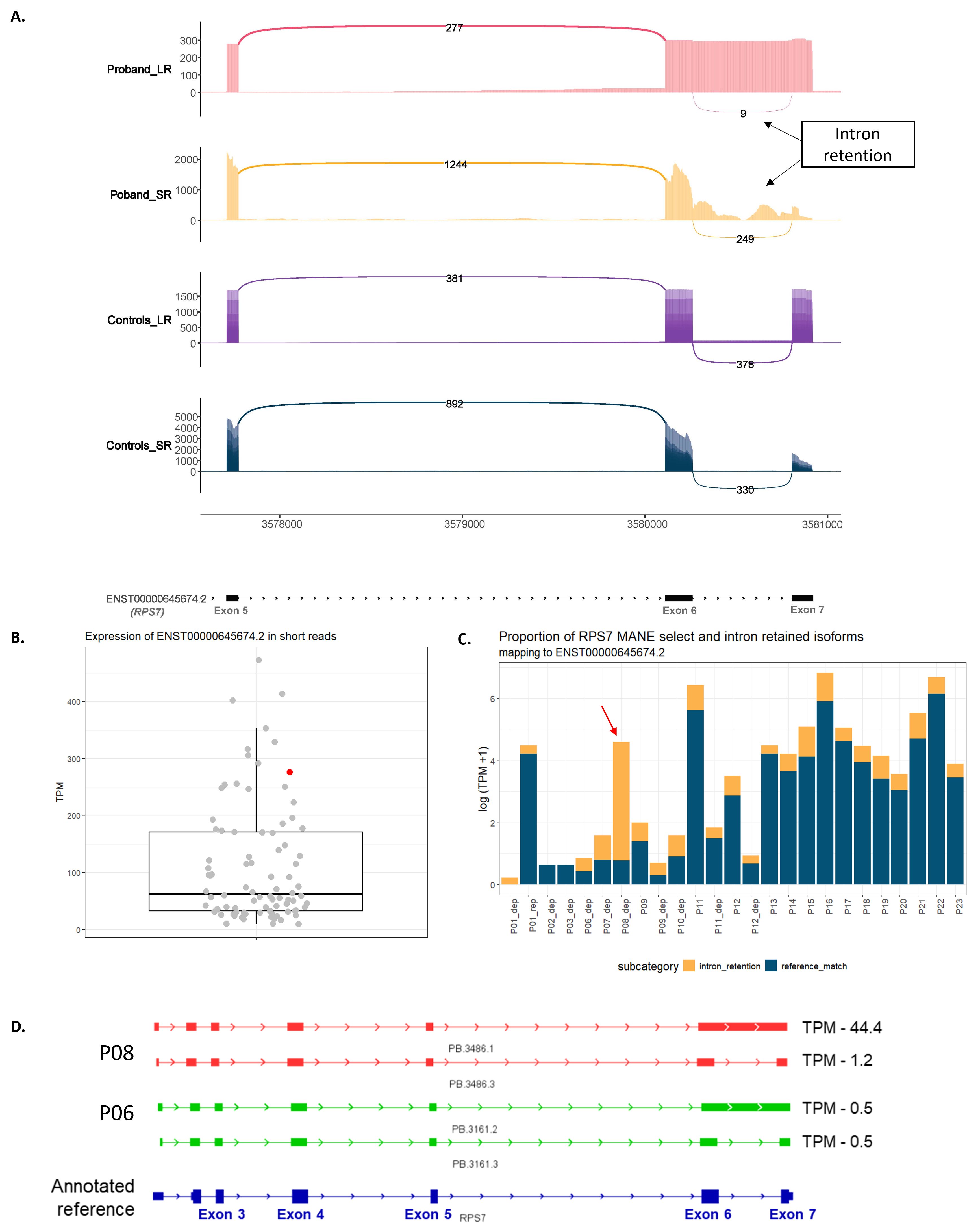
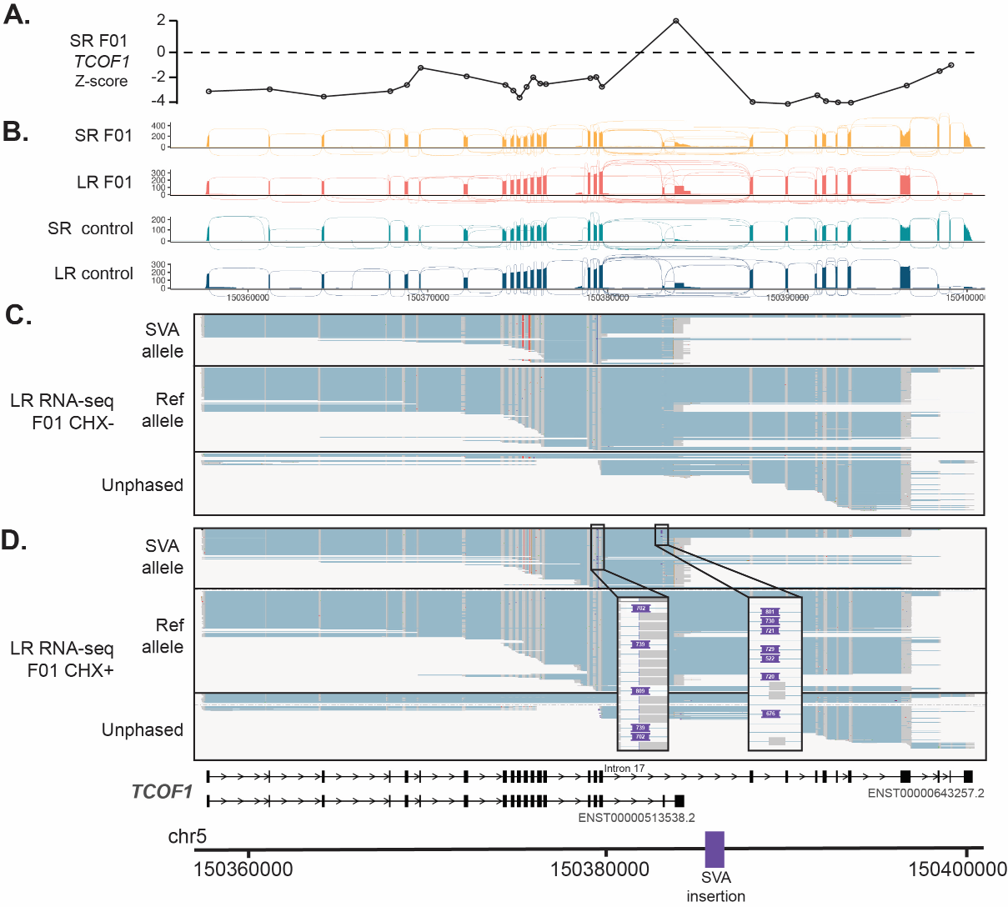
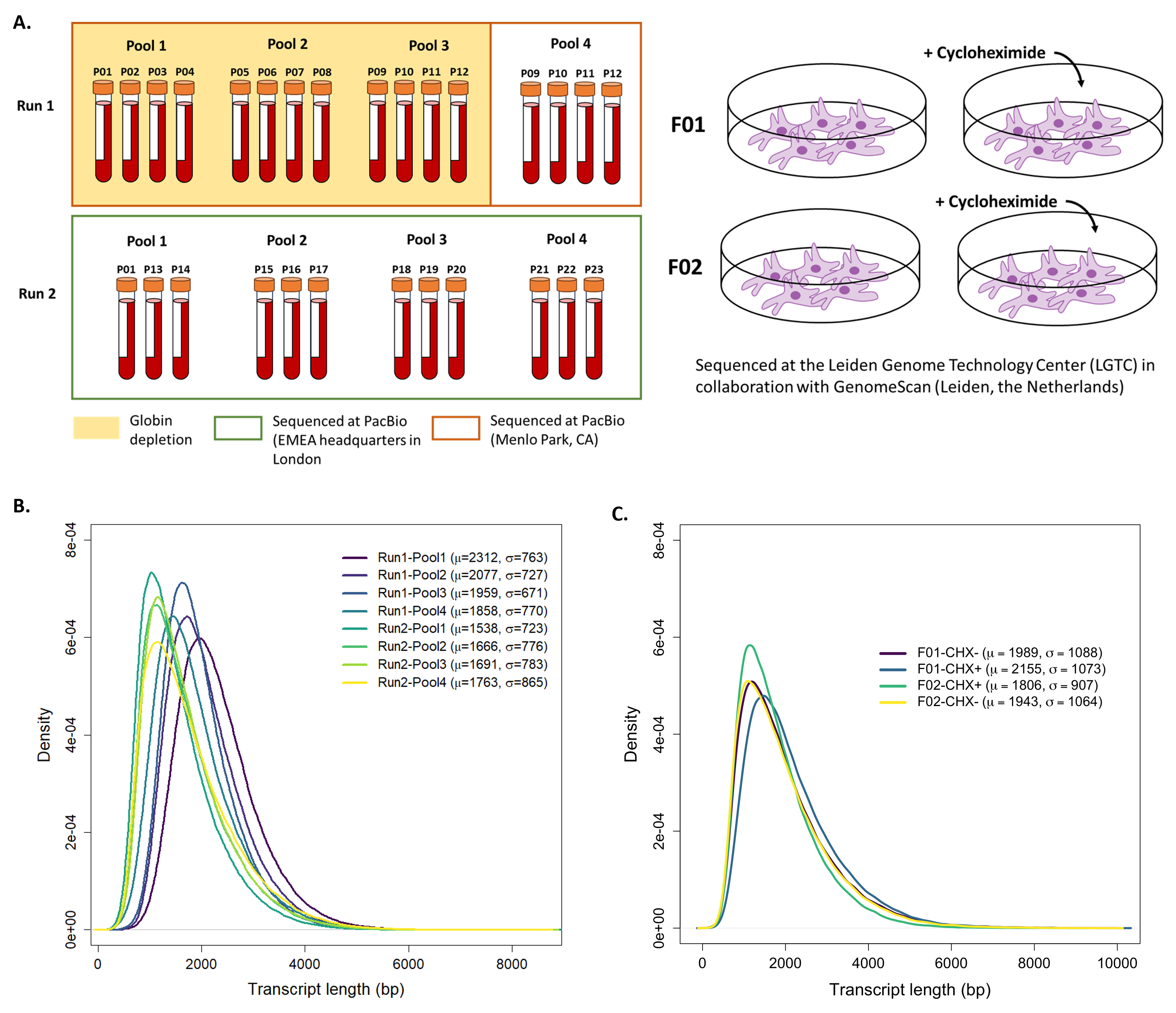
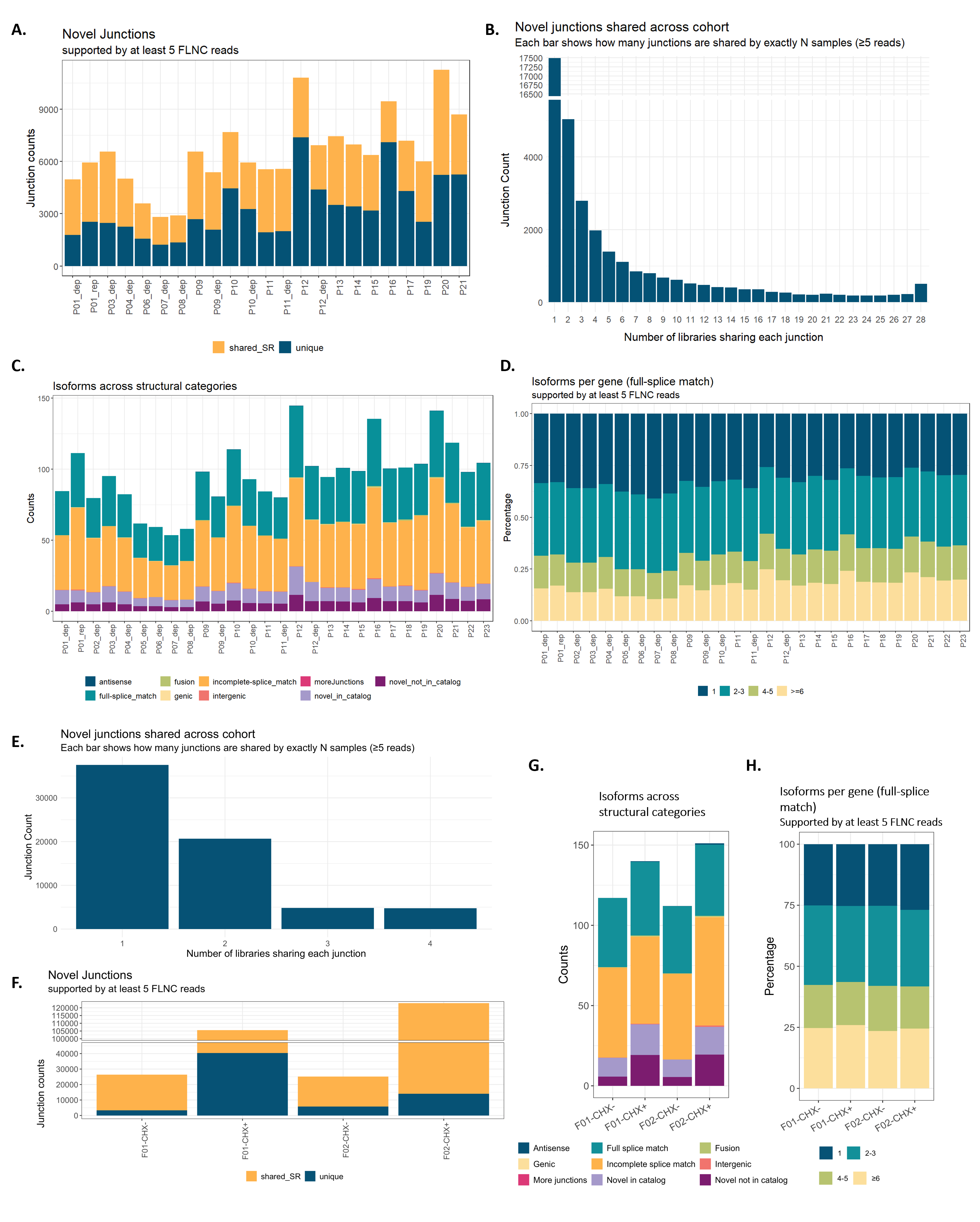
Splice-disrupting variants are estimated to account for one-third of disease-causing variants, yet many remain underrepresented in clinical databases due to limitations in detecting splicing changes beyond canonical splice sites. Short-read RNA sequencing (RNA-seq) has proved to be a valuable complement in clinical practice to address this gap, however, the added value of long-read RNA-seq is unclear. Here, we aimed to assess the clinical utility of PacBio long-read RNA-seq to characterise pathogenic aberrant splicing in rare disorders compared to short-read RNA-seq. Participants from the UK and the Netherlands with suspected splice-altering variants underwent long-read RNA-seq. 28 blood samples and four fibroblast cell lines were sequenced following the Kinnex full-length RNA protocol. Detection of disease genes (OMIM and PanelApp) was comparable with short reads, with fibroblast capturing more transcripts overall. Novel isoforms accounted for ~ 14% of detected transcripts in both tissues, increasing following cycloheximide treatment in fibroblasts and decreasing following goblin depletion in blood. Long-read RNA-seq detected events missed by short-reads including intron retention, multiple exon skipping, differential transcript usage, leaky splicing and variant phasing. In one case long reads revealed that a splice region variant in RPS7 skewed expression toward an unannotated intron 6-retained transcript, likely leading to protein deficiency explaining previous ambiguous results in patient with Diamond-Blackfan anaemia. In another case, we identified a retrotransposon-induced isoform switch in TCOF1 causing Treacher Collins syndrome. Both examples unresolved by short reads. Thereby long-read RNAseq has the potential to improve the detection of clinically relevant transcripts when used in a clinical setting.
RNAseq, HiFi, long read, diagnostics, splicing
1018-4813
Jaramillo Oquendo, Carolina
7ac6cb48-5df8-4d22-9907-46dc8f4d4b18
Ferraro, Federico
cec58d2d-8d25-4d93-8e52-0327338d673e
Wai, Htoo A.
4428517b-33b3-42cb-9818-ca64763ab7bc
Ferrao, Heather
aa50ac96-6bd7-4397-ad8e-f6e3be86a09c
van der Linde, Herma
7a1333c4-e80c-43da-9989-eb796fd4c40a
Karelioti, Evita
01677d9a-c0ed-4eff-88e6-c3f7d33f3b0c
Tseng, Liz
6e394fd6-cf12-44ba-9b57-2d1980be975a
Dhillon, Harasharan
1959360e-e0d2-47e1-be4d-dd3d6c839852
Holt, Sam
99001c75-a82b-45eb-9cfb-213ad535a8eb
Bunyan, David J.
d57bd2a7-d531-4892-bcce-e096dc95eee7
Donker Kaat, Laura
f53eea6a-349a-4f59-bc67-e07589bbaa47
Van Dooren, Marieke F.
1db37182-633d-4fe9-82fe-2a3e6a201556
Zhou, Jeff
a1017609-24e4-45cb-a0c6-03d9c9880e41
Ennis, Sarah
7b57f188-9d91-4beb-b217-09856146f1e9
Holloway, John W.
4bbd77e6-c095-445d-a36b-a50a72f6fe1a
van Ham, Tjakko
a9fa3b7b-8190-4c8b-b546-bee352097c54
Baralle, Diana
faac16e5-7928-4801-9811-8b3a9ea4bb91
Jaramillo Oquendo, Carolina
7ac6cb48-5df8-4d22-9907-46dc8f4d4b18
Ferraro, Federico
cec58d2d-8d25-4d93-8e52-0327338d673e
Wai, Htoo A.
4428517b-33b3-42cb-9818-ca64763ab7bc
Ferrao, Heather
aa50ac96-6bd7-4397-ad8e-f6e3be86a09c
van der Linde, Herma
7a1333c4-e80c-43da-9989-eb796fd4c40a
Karelioti, Evita
01677d9a-c0ed-4eff-88e6-c3f7d33f3b0c
Tseng, Liz
6e394fd6-cf12-44ba-9b57-2d1980be975a
Dhillon, Harasharan
1959360e-e0d2-47e1-be4d-dd3d6c839852
Holt, Sam
99001c75-a82b-45eb-9cfb-213ad535a8eb
Bunyan, David J.
d57bd2a7-d531-4892-bcce-e096dc95eee7
Donker Kaat, Laura
f53eea6a-349a-4f59-bc67-e07589bbaa47
Van Dooren, Marieke F.
1db37182-633d-4fe9-82fe-2a3e6a201556
Zhou, Jeff
a1017609-24e4-45cb-a0c6-03d9c9880e41
Ennis, Sarah
7b57f188-9d91-4beb-b217-09856146f1e9
Holloway, John W.
4bbd77e6-c095-445d-a36b-a50a72f6fe1a
van Ham, Tjakko
a9fa3b7b-8190-4c8b-b546-bee352097c54
Baralle, Diana
faac16e5-7928-4801-9811-8b3a9ea4bb91

Jaramillo Oquendo, Carolina, Ferraro, Federico, Wai, Htoo A., Ferrao, Heather, van der Linde, Herma, Karelioti, Evita, Tseng, Liz, Dhillon, Harasharan, Holt, Sam, Bunyan, David J., Donker Kaat, Laura, Van Dooren, Marieke F., Zhou, Jeff, Ennis, Sarah, Holloway, John W., van Ham, Tjakko and Baralle, Diana (2026) HiFi long-read RNA sequencing enhances clinical diagnostics in rare disorders. European Journal of Human Genetics. (doi:10.21203/rs.3.rs-7046889/v1).

Record type: Article

Abstract

Splice-disrupting variants are estimated to account for one-third of disease-causing variants, yet many remain underrepresented in clinical databases due to limitations in detecting splicing changes beyond canonical splice sites. Short-read RNA sequencing (RNA-seq) has proved to be a valuable complement in clinical practice to address this gap, however, the added value of long-read RNA-seq is unclear. Here, we aimed to assess the clinical utility of PacBio long-read RNA-seq to characterise pathogenic aberrant splicing in rare disorders compared to short-read RNA-seq. Participants from the UK and the Netherlands with suspected splice-altering variants underwent long-read RNA-seq. 28 blood samples and four fibroblast cell lines were sequenced following the Kinnex full-length RNA protocol. Detection of disease genes (OMIM and PanelApp) was comparable with short reads, with fibroblast capturing more transcripts overall. Novel isoforms accounted for ~ 14% of detected transcripts in both tissues, increasing following cycloheximide treatment in fibroblasts and decreasing following goblin depletion in blood. Long-read RNA-seq detected events missed by short-reads including intron retention, multiple exon skipping, differential transcript usage, leaky splicing and variant phasing. In one case long reads revealed that a splice region variant in RPS7 skewed expression toward an unannotated intron 6-retained transcript, likely leading to protein deficiency explaining previous ambiguous results in patient with Diamond-Blackfan anaemia. In another case, we identified a retrotransposon-induced isoform switch in TCOF1 causing Treacher Collins syndrome. Both examples unresolved by short reads. Thereby long-read RNAseq has the potential to improve the detection of clinically relevant transcripts when used in a clinical setting.

Text
s41431-026-02042-9 (1) - Version of Record
Available under License Creative Commons Attribution.
Download (3MB)
Text
Jan - HiFi Long-Read RNA Sequencing - EJHG
Available under License Creative Commons Attribution.
Download (166kB)
Image
Main Figure 1
Available under License Creative Commons Attribution.
Download (1MB)
Image
Main Figure 2
Available under License Creative Commons Attribution.
Download (1MB)
Image
Main Figure 3
Available under License Creative Commons Attribution.
Download (1MB)
Image
Main Figure 4
Available under License Creative Commons Attribution.
Download (327kB)
Text
Sup Table 1
Available under License Creative Commons Attribution.
Download (35kB)
Text
Supplemental Figures
Available under License Creative Commons Attribution.
Download (4MB)
Text
Supplemental Results
Available under License Creative Commons Attribution.
Download (3MB)
Text
Table 1
Available under License Creative Commons Attribution.
Download (36kB)

Show all 10 downloads.

More information

Accepted/In Press date: 4 February 2026
e-pub ahead of print date: 10 March 2026
Published date: 10 March 2026
Keywords: RNAseq, HiFi, long read, diagnostics, splicing

Identifiers

Local EPrints ID: 510647
URI: http://eprints.soton.ac.uk/id/eprint/510647
ISSN: 1018-4813
PURE UUID: 057bb77c-dc7c-45f7-8347-bda91cfab3a4
ORCID for Carolina Jaramillo Oquendo: ORCID iD orcid.org/0000-0002-9875-0998
ORCID for Htoo A. Wai: ORCID iD orcid.org/0000-0002-3560-6980
ORCID for Sarah Ennis: ORCID iD orcid.org/0000-0003-2648-0869
ORCID for John W. Holloway: ORCID iD orcid.org/0000-0001-9998-0464
ORCID for Diana Baralle: ORCID iD orcid.org/0000-0003-3217-4833

Catalogue record

Date deposited: 15 Apr 2026 16:34
Last modified: 16 Apr 2026 02:04

Export record

Altmetrics

Contributors

Author: Carolina Jaramillo Oquendo ORCID iD
Author: Federico Ferraro
Author: Htoo A. Wai ORCID iD
Author: Heather Ferrao
Author: Herma van der Linde
Author: Evita Karelioti
Author: Liz Tseng
Author: Harasharan Dhillon
Author: Sam Holt
Author: David J. Bunyan
Author: Laura Donker Kaat
Author: Marieke F. Van Dooren
Author: Jeff Zhou
Author: Sarah Ennis ORCID iD
Author: Tjakko van Ham
Author: Diana Baralle ORCID iD

Download statistics

Downloads from ePrints over the past year. Other digital versions may also be available to download e.g. from the publisher's website.

View more statistics

Atom RSS 1.0 RSS 2.0

Contact ePrints Soton: eprints@soton.ac.uk

ePrints Soton supports OAI 2.0 with a base URL of http://eprints.soton.ac.uk/cgi/oai2

This repository has been built using EPrints software, developed at the University of Southampton, but available to everyone to use.

We use cookies to ensure that we give you the best experience on our website. If you continue without changing your settings, we will assume that you are happy to receive cookies on the University of Southampton website.

×